
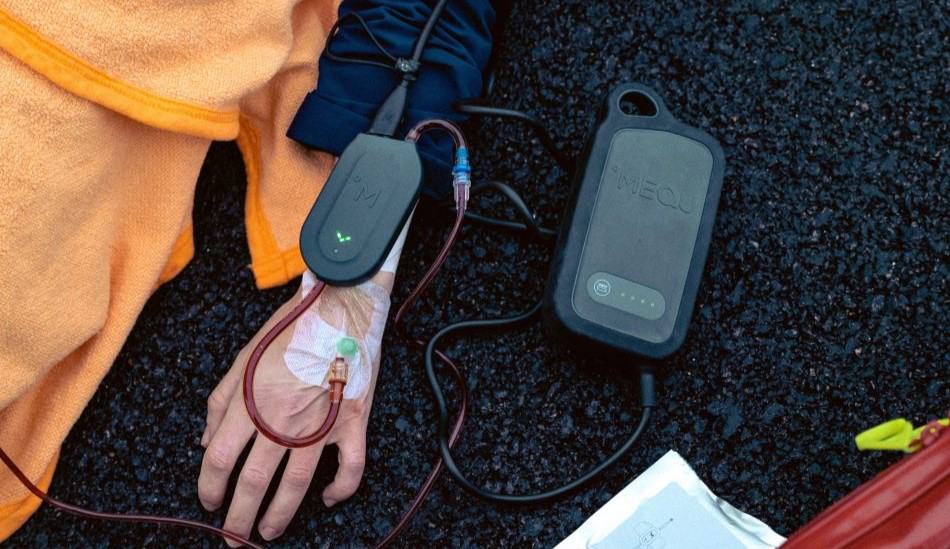
Choosing the right blood- and IV fluid warmer is critical for patient safety.
Here are 6 essential factors to consider when selecting a warmer for your organization.
1: Choose between a portable, stationary, or dual-use solution.
First, determine whether you need a portable, stationary, or dual-use blood warmer, based on where and how it will be used.
-
Portable warmers: Best for pre-hospital care, the military, or departments where mobility is essential.
-
Stationary warmers: Good for operating rooms, ICUs, or labs with fixed, predictable locations.
-
Dual-use solutions: Some devices function both portably and at stationary power sources, allowing the warmer to accompany a patient from point of injury through different hospital units.
Evaluate patient flow to determine which configuration meets your needs.
2: Ease-of-use
Modern healthcare settings are fast-paced and blood and IV fluid warmers are frequently used in emergency situations where ease of use can make a critical difference.
When selecting a device, prioritize features such as:
- Intuitive controls for quick operation
- Minimal setup steps to save valuable time
- Fewer parts for straightforward handling and maintenance
3: Set-Up Time
Ensure the blood warmer’s setup time aligns with your clinical needs.
- Quick setup: Critical for emergency transfusions to enable rapid intervention and prevent excessive blood loss.
- Slower setup: May be acceptable for routine or planned procedures where immediate transfusion isn’t required. However, in emergencies, a longer setup can delay care and put the patient at risk.
For emergency transfusions, an ideal setup time, including priming and warm-up, should be no more than 30–60 seconds.
Test the user interface with clinical staff to ensure it is easy to operate under stress.
4: Priming Volume
Blood products are valuable and sometimes scarce. Devices with large priming volumes can waste blood and other ressources unnecessarily.
Look for warmers with:
- Minimal priming volume to conserve resources and minimize blood wastage.
5: Cleaning and Maintenance
Maintenance is an important consideration in blood warmer ownership, as it can impact both safety and long-term costs.
When evaluating devices, consider:
-
Ease of cleaning
-
Frequency and cost of maintenance
-
Availability of replaceable components
A device that is simple to maintain saves staff time, minimizes the risk of cross-contamination, and reduces long-term operational costs.
6: Learn From Other Users
Real-world feedback is invaluable. Speak with other healthcare organizations using the warmer you are considering:
- Ask about ease of use, reliability, and maintenance
- Get insights on clinical outcomes and patient safety
- Manufacturers can often connect you with reference users
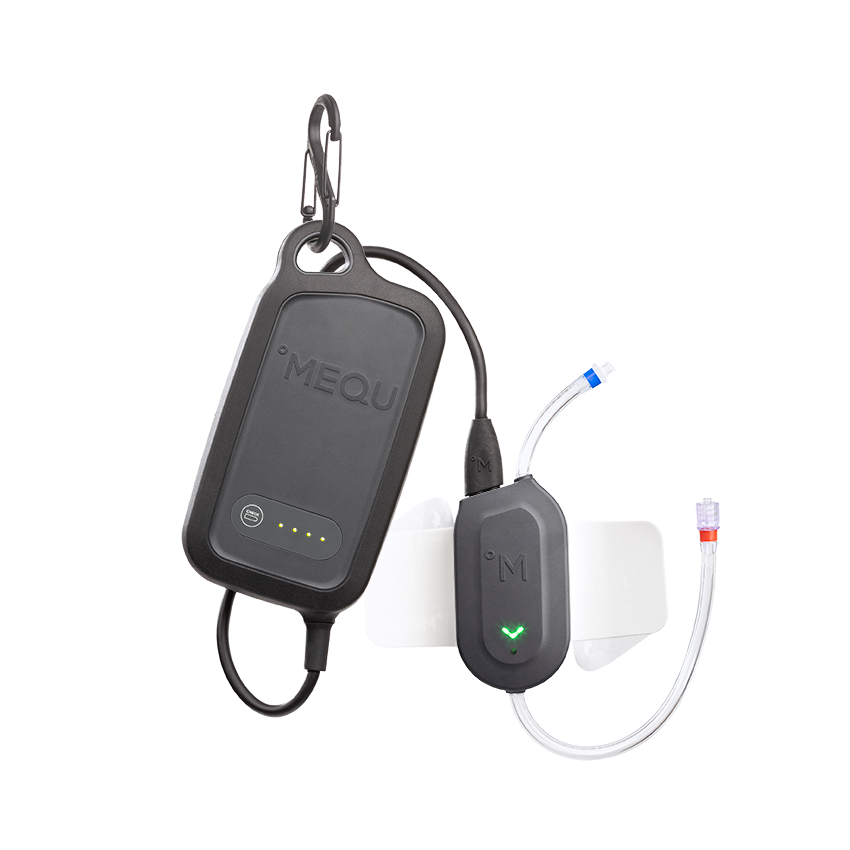
˚M Warmer System
The ˚M Warmer System is a portable blood and IV fluid warming device optimal for both pre-hospital and hospital use as it is small, simple to use, and easily integrates in existing workflows.