
The Operational Case for Whole Blood in Pre-hospital Trauma Care
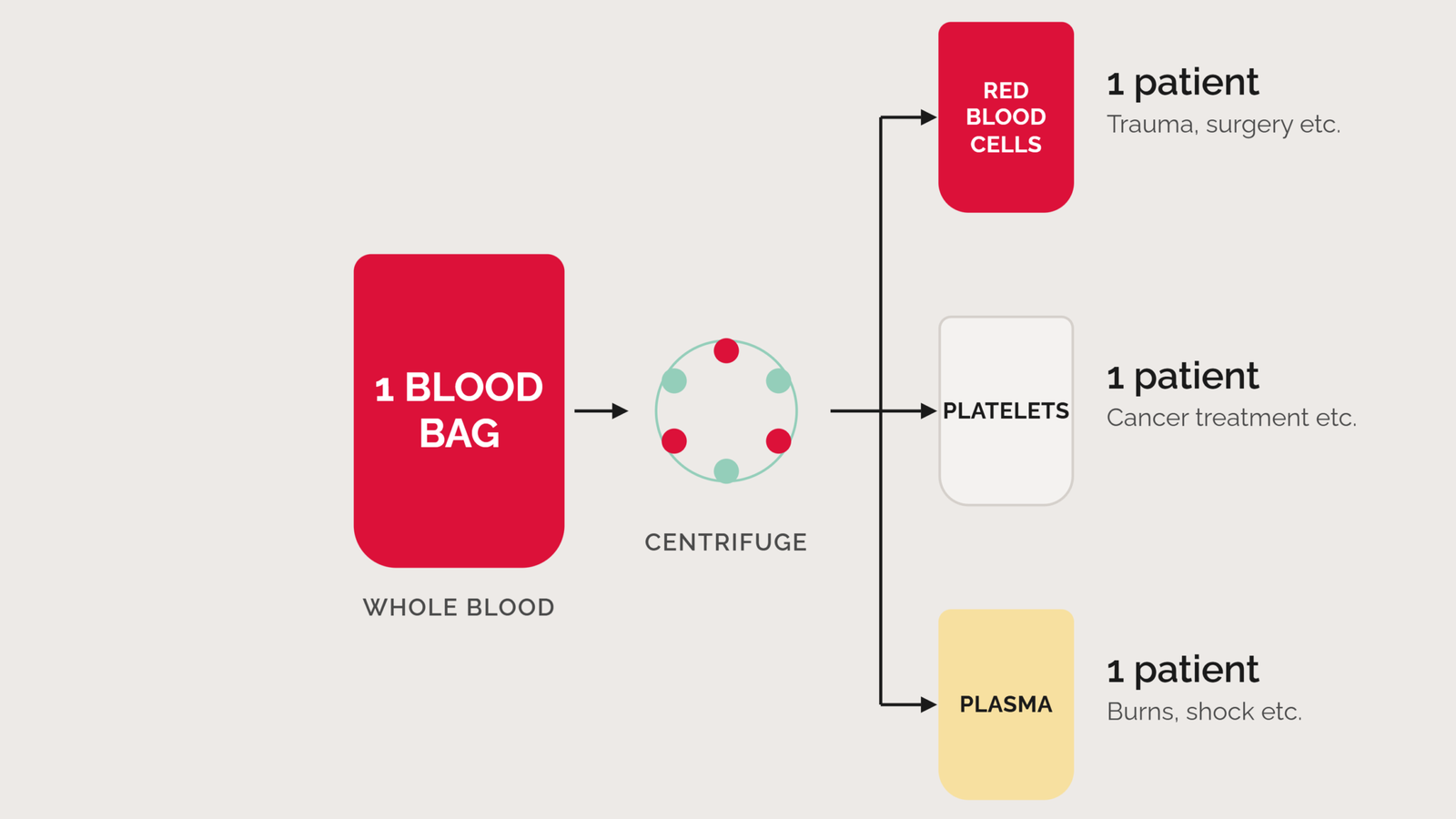
A bleeding patient can run out of time before the ambulance arrives at the hospital. That has driven decades of effort into pushing blood transfusions as far forward as possible, extending it from the emergency department into pre-hospital settings.
A major question is now how blood can be delivered with the greatest clinical effect while placing the fewest demands on already stretched crews.
At the center of this debate is whether low-tier group O whole blood (LTOWB) or blood component therapy is best suited for the realities of pre-hospital care. This goes beyond clinical considerations because every additional bag, step, and decision competes with the amount of attention that can be paid to the patient.
Simplifying Blood Transfusions
As of August 2026, more than 400 prehospital blood programs are operating across the United States, with that number continuing to grow rapidly.[1]
The reasoning behind using low-tier group O whole blood (LTOWB) is that it restores what a bleeding patient is losing (red cells, plasma, and platelets) in the same proportions.
Blood component therapy, on the other hand, reconstructs that balance from separate bags. This introduces the risk of imbalanced ratios, dilution, and delay.
A single unit of LTOWB delivers a balanced resuscitation without the math and can be given by one person rather than having a small team assembling multiple products.
This operational rationale, shaped by years of clinical experience, has driven the rapid adoption of LTOWB across both military and civilian settings.
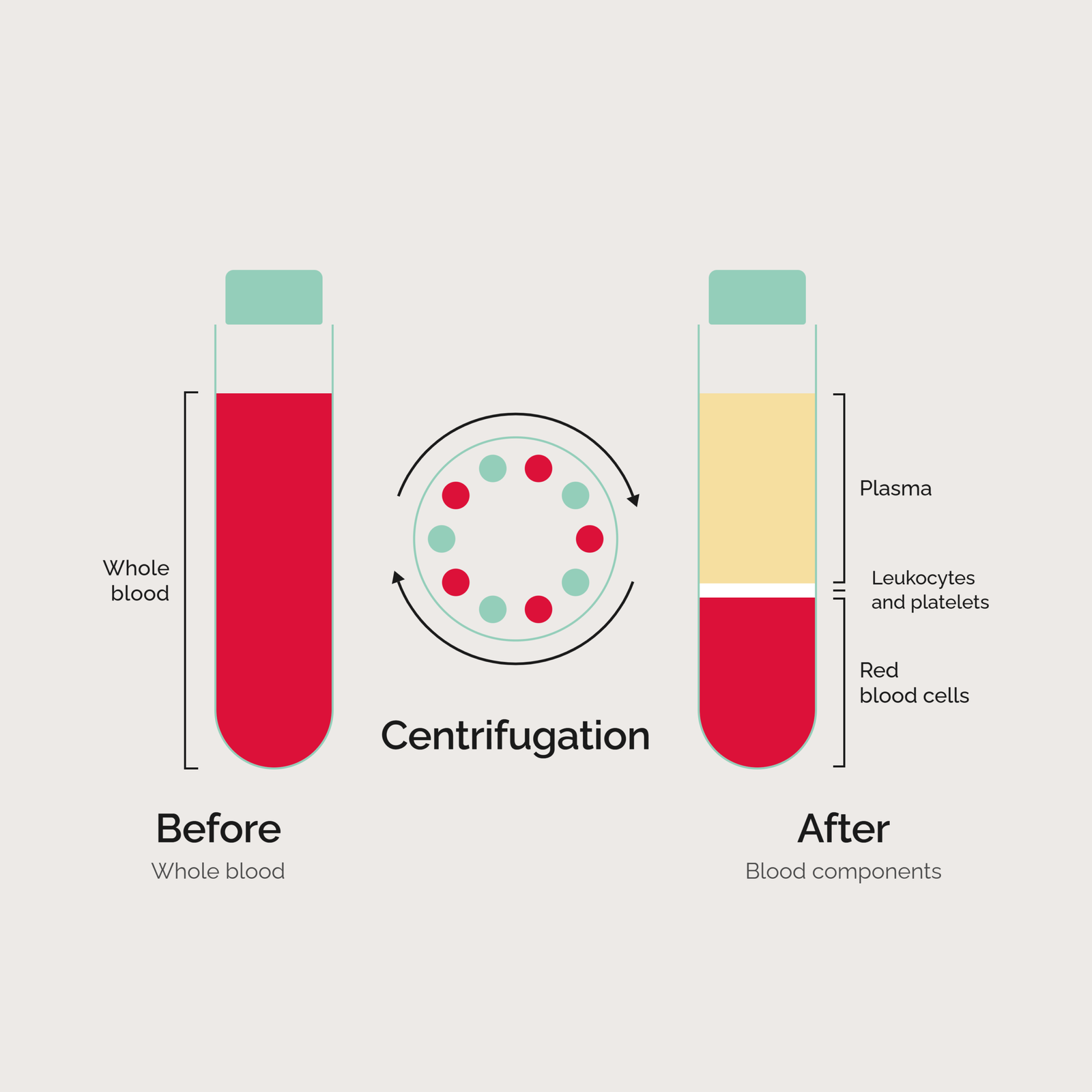
From Logic to Data
Tucker and colleagues (BMJ Military Health, 2026) decided to turn the logic into operational data with a study showing how much work each transfusion strategy takes.
In the study, six clinicians ran the same trauma scenario: a cyclist in hemorrhagic shock with abdominal and pelvic injuries, each time using a different blood transfusion package:
- RCP: Two units of red-cells-in-plasma, as a combined component with two products in one bag.
- RBC+FFP: Two units of red cells plus two units of thawed fresh frozen plasma, as separate components
- RBC+LyoP: Two units of red cells plus two units of lyophilized (freeze-dried) plasma, which must be reconstituted (diluted with e.g., sterile water) before use.
LTOWB was not one of the tested packages, but it belongs to the same family as RCP: a combined, single-bag product.
The study is therefore best read as a controlled measurement of what combined components in general, LTOWB included, does to the workload of a prehospital team, using RCP as a stand-in.
The researchers measured:
- Flow time: the interval from the decision to transfuse until all units were delivered.
- Touch time: the hands-on contact time during the process.
- Process steps
- Pieces of equipment
- Safety checks
- Number of people required.
- Touch/flow ratio: percentage of time during which a clinician’s hands were occupied with handling equipment.
The study clearly showed that the combined product won on every measure, and by wide margins, as seen here:
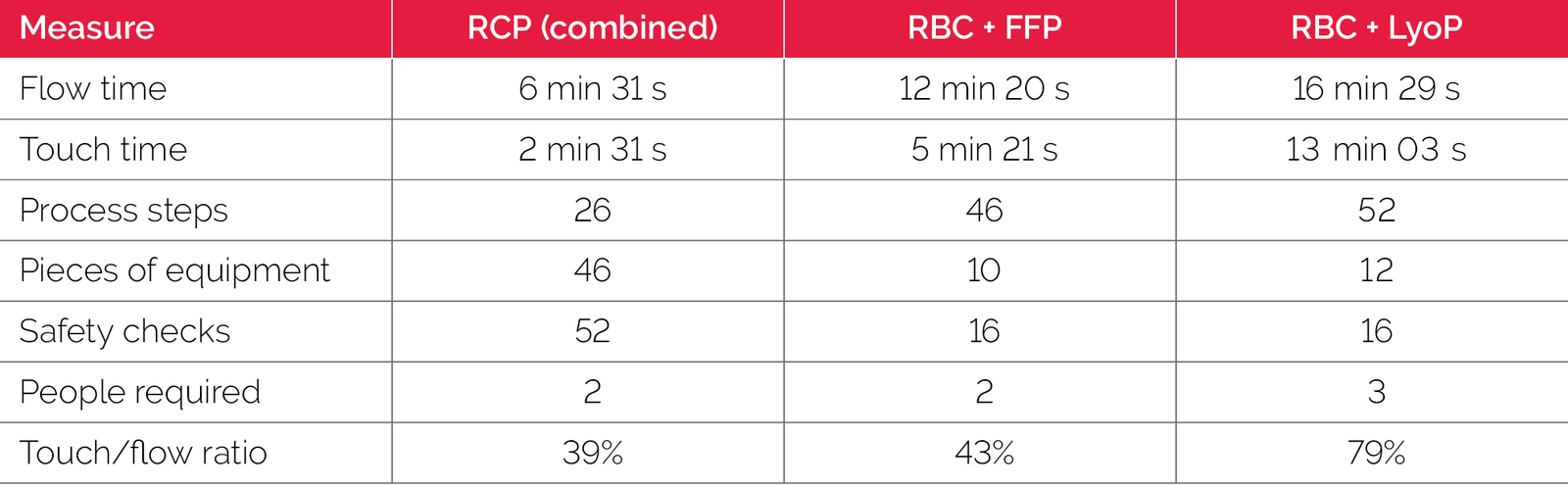
The combined product was delivered in roughly half the flow time of red cells + thawed plasma and in well under half the time of red cells + freeze-dried plasma.
Its touch/flow ratio was also the lowest of the three. In fact, the crew spent only 39% of the resuscitation duration on handling equipment and the rest attending to the patient.
Meanwhile, red cells + freeze-dried plasma was the most demanding method, largely because reconstitution added steps, time, and, in every run, a third pair of hands to hold the bags. The team spend 79% of the resuscitation duration on handling equipment, giving only 21% of their time to their patient.[2]
Thus, the Tucker simulation shows with precision, a combined single-bag product is delivered faster and with far less burden than any separate-component alternative.
The Cost of Every Minute
What does it concretely mean for the patient that it takes roughly 10 minutes longer to transfuse red cells + freeze-dried plasma compared to LTOWB?
The potential clinical significance of this gap is underscored by a growing body of evidence linking delays in trauma resuscitation to mortality.
Nasser et al. found that among patients with penetrating trauma, each additional minute of prehospital response time was associated with a 2% increase in the odds of death. 43,467 patients were included in the study.[3]
If this per-minute association is mathematically applied across the roughly 10-minute gap between the fastest and slowest packages in the Tucker simulation, the implied increase in mortality odds runs in the range of 20%.
However, this should be read as an illustrative extrapolation rather than a direct estimate of the mortality effect of choosing one blood product over another, since the study did not specifically compare time-to-transfusion for combined versus separate-component packages.
One of whole blood’s greatest and most certain value lies in that operational simplicity: getting balanced resuscitation into the patient sooner, with fewer steps, fewer errors, and fewer people which, for the most time-sensitive injury in medicine, is a clinical argument in its own right.
Blood warming: The Temperature Variable
The Tucker simulation left out one vital step: blood warming.
Blood comes out of the cooler at around 1-6°C. If transfused at this temperature, it will drop a bleeding patient’s core temperature further, which can cause hypothermia and, eventually, lead to the “lethal triad”. The lethal triad is a state of hypothermia, acidosis, and coagulopathy, where each condition escalates and worsens the others.
That’s why the use of blood warming devices is highly recommended by, for example, the TCCC Guidelines.[4]
Granted, it is difficult to measure the touch time of blood warmers because it varies greatly from one device to another. This is where device design starts to matter as much as the blood product itself.
The °M Warmer System, for example, is built around minimizing exactly the kind of setup burden the Tucker study was measuring for blood products: fewer parts, fewer steps, less time spent handling equipment instead of the patient.
It warms cold blood and IV fluids to body temperature within seconds and provides consistent care across the patient journey with both battery and AC power.
Sources
[1] https://prehospitaltransfusion.org/blood-program-interactive-map/
[2] Tucker H, Barnard E, Weaver A, et al. Combined components: simplifying forward resuscitation — a flow, time and resource analysis of prehospital transfusion. BMJ Mil Health 2026. doi:10.1136/military-2025-003210
[3] Nasser AAH, Nederpelt C, El Hechi M, Mendoza A, Saillant N, Fagenholz P, Velmahos G, Kaafarani HMA. Every minute counts: The impact of pre-hospital response time and scene time on mortality of penetrating trauma patients. Am J Surg. 2020 Jul;220(1):240-244. doi: 10.1016/j.amjsurg.2019.11.018. Epub 2019 Nov 16. PMID: 31761299.
[4] https://tccc.org.ua/en/collection/recommendations
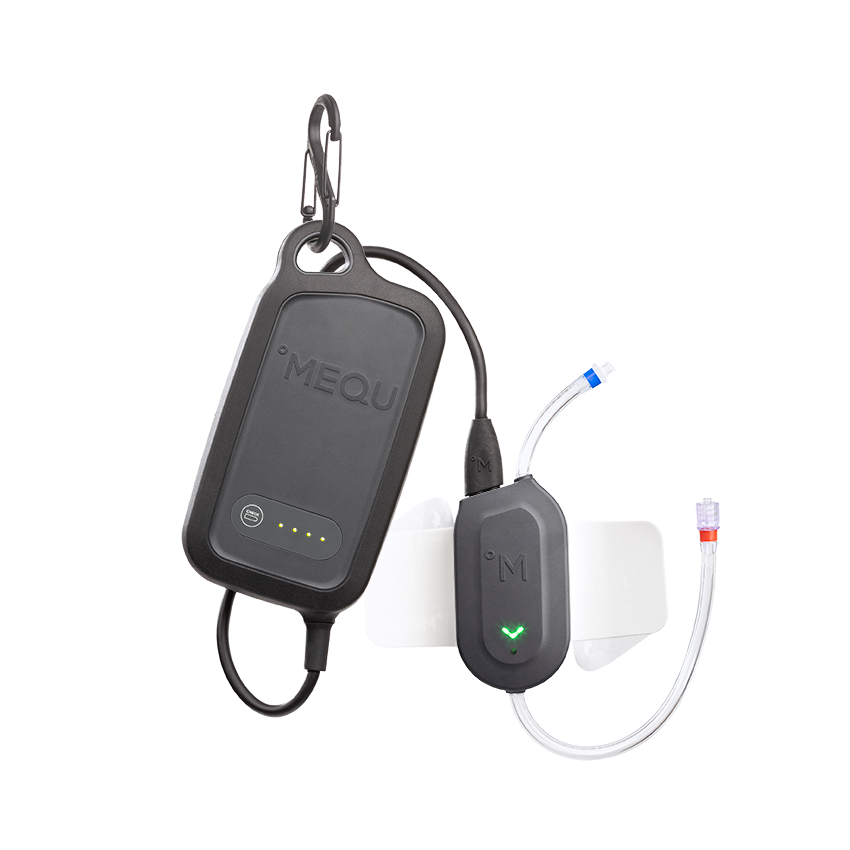
˚M Warmer System
The ˚M Warmer is a portable blood and IV fluid warming device optimal for both pre-hospital and hospital use.
It warms cold blood and IV-fluids to body temperature within seconds and provides consistent care across the patient journey with both battery and AC power.