
Trained and Equipped: Inside PULSE's TCCC Mission in Ukraine
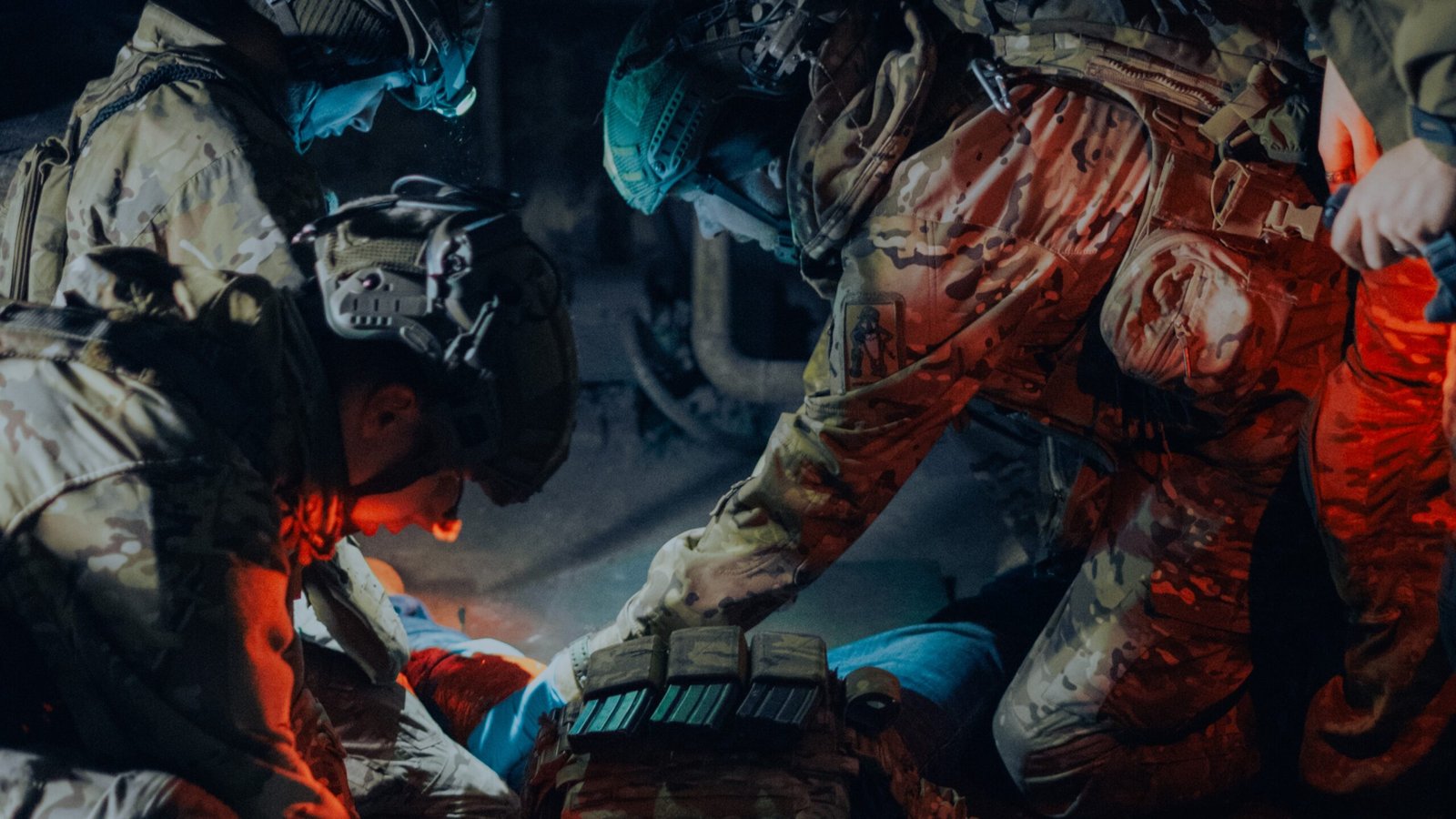
It’s three in the morning in a dugout near the front line. The medic on the scene has barely slept in two days and the soldier in front of him has lost a lot of blood.
Evacuation may be days away. What happens in the next few minutes depends on two things: his training and the equipment he is carrying. Making sure both are good enough is the work PULSE has dedicated itself to.
Training more than 35,000 personnel
PULSE (Prehospital-focused Ukrainian Life Saving Effort) is a Ukrainian charitable foundation created within the first weeks of the full-scale invasion of Ukraine in 2022.
To date, they have provided TCCC training to more than 35,000 personnel, working with almost every military branch: Ground Forces, the Navy, Territorial Defence, National Guard, State Border Guard Service, State Emergency Service, SSU, and the police.
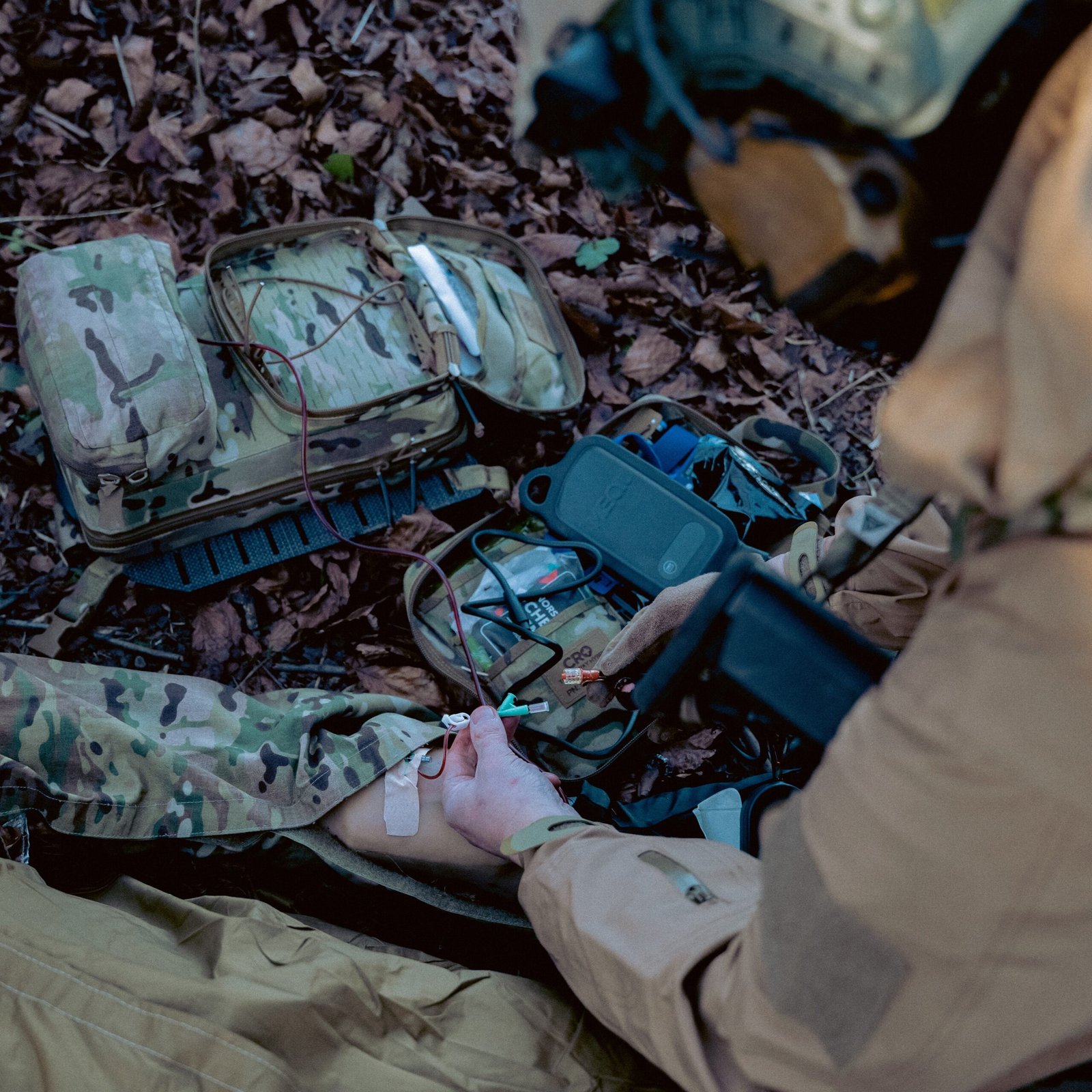
On top of that is their prehospital blood transfusion training. Run in collaboration with the Ukrainian Transplant Coordination Center and aligned with THOR field blood transfusion course, they train and equip units with specialized equipment, such as the °MEQU’s blood warming solution: the °M Warmer System.
“Units train on exactly the device they will be issued. We have handed °M Warmer systems to the 56th Separate Mariupol Brigade, the “Liut” Joint Assault Brigade, Marine Corps medic groups and three brigades of Operational Command South, the 73rd Naval Special Operations Centre and many others,” says Igor Korpusov, co-founder of PULSE.
Before starting the project, we tested all available warmers on the market ourselves. Only °MEQU provided a sufficient flow rate of normothermic fluid while keeping a compact, minimalistic design.
Foolproof at three in the morning
Honored to be trusted with something so critical for survival, we asked Igor Korpusov what drew him to the °M Warmer System.
“It is almost impossible to get wrong. At three in the morning, in a dugout, after two days without sleep: foolproof. Before starting the project, we tested all available warmers on the market ourselves. Only °MEQU provided a sufficient flow rate of normothermic fluid while keeping a compact, minimalistic design,” he explains and adds that the same is confirmed by the military medics they work with.
This adaptability matters because the demands placed on those medics have shifted considerably since the war began.
In 2022 their training was focused on controlling the bleeding, keeping the airway open, keeping casualty warm and getting to the next level of care. Today, it is defined by delayed evacuations and drone warfare.
“The medical system has developed in three visible ways:
First, prolonged casualty care has shifted from a niche special-operations discipline to a baseline expectation for anyone with a medical role and, in some cases, to regular soldiers.
Second, care has been pushed forward: stabilization points and forward surgical teams closer to the frontline and underground hospitals.
Third, evacuation can now sometimes be unmanned; there are UGV (Unmanned Ground Vehicle) systems in use, including casualty-evacuation platforms that can retrieve a wounded soldier without a medic entering the kill zone”, Igor Korpusov outlines.
Plan for absence of evacuation and push blood forward. We believe that blood transfusion has the greatest return on investment.
Why warm blood matters more than ever
He adds that the classic evacuation chain no longer functions. Recovering a single casualty often ties up 2-4 people who expose themselves to lethal risk because of drones. Wounded soldiers may wait hours, days or, in some documented cases, weeks before they can be moved.
That makes keeping a critically wounded patient warm, more important than ever.
In fact, according to Igor Korpusov, warm blood transfusions roughly double the chances of survival. “Whether a wounded soldier lives is decided by what he or the person next to him can do in the first minutes with what they are carrying,” he elaborates.
Thus, it is vital that they use equipment which is extremely intuitive and highly reliable whenever and wherever it is needed.
According to Igor Korpusov, this premise aligns well with both the usability and functionality of the °M Warmer System; “Two reactions come up every time. The first is how simple it is. The second comes from experienced medics: how fast it is compared with anything they have used before,” he confirms.
Lessons learned under fire in Ukraine
The Tucker simulation left out one vital step: blood warming.
This brings us to one of the biggest questions of all: which lessons from Ukraine’s frontline medics should the rest of the world learn now rather than later?
“Plan for absence of evacuation and push blood forward. We believe that blood transfusion has the greatest return on investment. But it requires blood supply chains, field blood typing, walking blood bank procedures, cold chain management, warming and a legal and regulatory framework that lets medics transfuse”, Igor Korpusov advises and concludes: “Don’t wait. Ukraine had to build all that while under fire”.
Ukraine has no doubt built a tactical medicine system under the most difficult circumstances, one trained personnel and one piece of equipment at a time.
At °MEQU, we make blood warmers. The medics in Ukraine make them matter. And everything we design is centered around those who carry our equipment into the hardest conditions imaginable.
Learn more
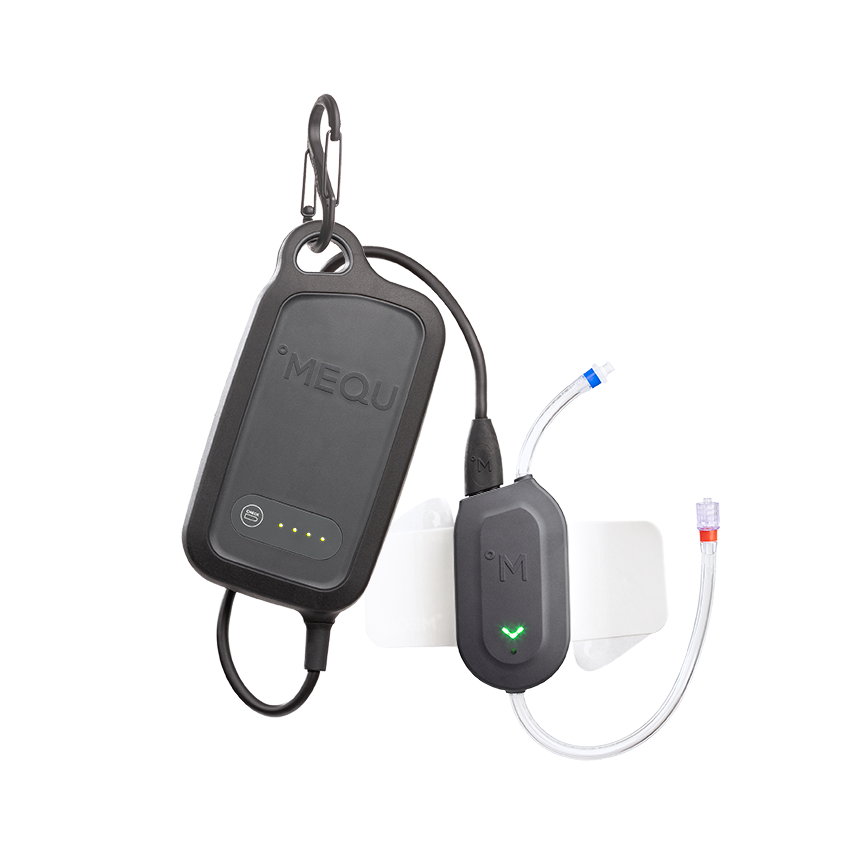
˚M Warmer System
The ˚M Warmer is a portable blood and IV fluid warming device optimal for both pre-hospital and hospital use.
It warms cold blood and IV-fluids to body temperature within seconds and provides consistent care across the patient journey with both battery and AC power.