
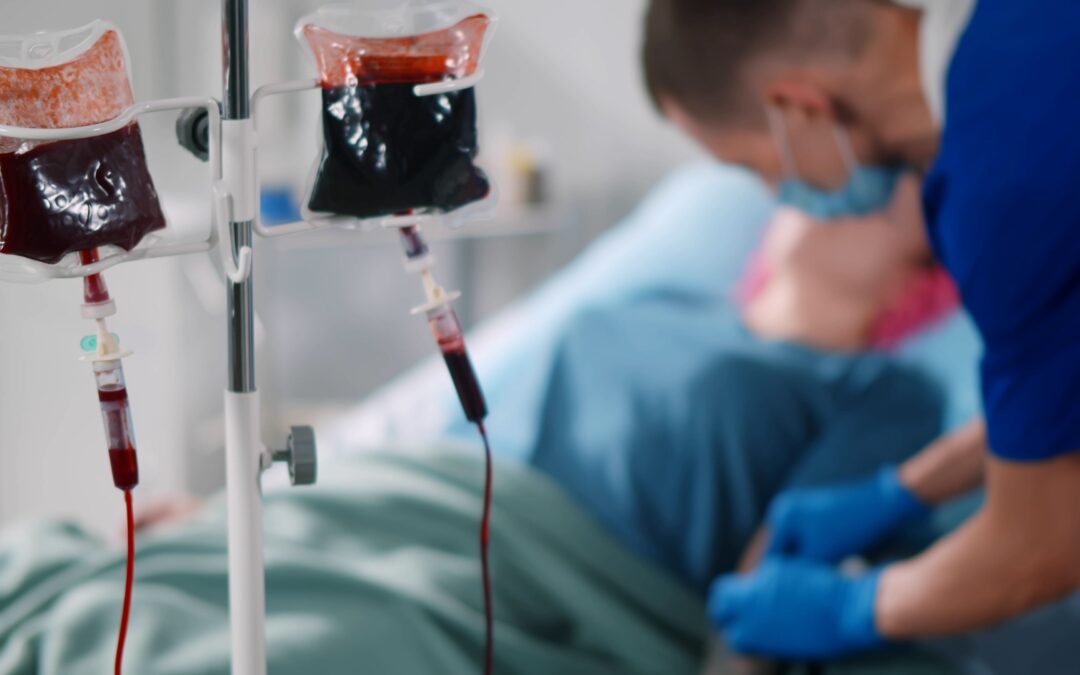
Is Whole Blood the future in trauma care?
Whole Blood is gaining an increasing amount of attention in trauma care. And for a good reason.
In fact, recent research highlights its potential to simplify transfusion practices and improve survival for bleeding patients significantly.
48% lower mortality rate
A 2022 study published in Annals of Surgery found that patients who received cold-stored Whole Blood (WB) during haemostatic resuscitation had a 48% lower mortality rate than those treated with Blood Component Therapy (BCT).
The study was conducted as a multicenter, prospective-observational study of patients who received WB vs BCT during their initial trauma resuscitation.
A total of 1,623 trauma patients were included and of the 1,623 patients, 1,180 (73%) received at least one unit of WB while 443 (27%) received only BCT.
The researchers saw that patients who received WB were 9% less likely to experience a bleeding complication and were 48% less likely to die than those who received BCT alone.
A safer and more practical option
Low-Titer Group O Whole Blood (LTOWB) is collected from donors with low levels of anti-A and anti-B antibodies, making it suitable for universal use. It can be administered fresh (within 8–24 hours) or stored cold for later transfusion.
LTOWB mirrors the body’s natural composition of red cells, plasma, and platelets, and simplifies logistics by providing all components in one product.
Proven Advantages
Compared with component therapy, LTOWB offers:
- Lower risk of severe transfusion reactions
- Fewer additives and anticoagulants
- Reduced dilutional coagulopathy
- Faster and simpler administration
- Greater cost efficiency
These benefits contribute to improved performance and patient outcomes in trauma care, showing that Whole Blood the safest resuscitation fluid.
References:
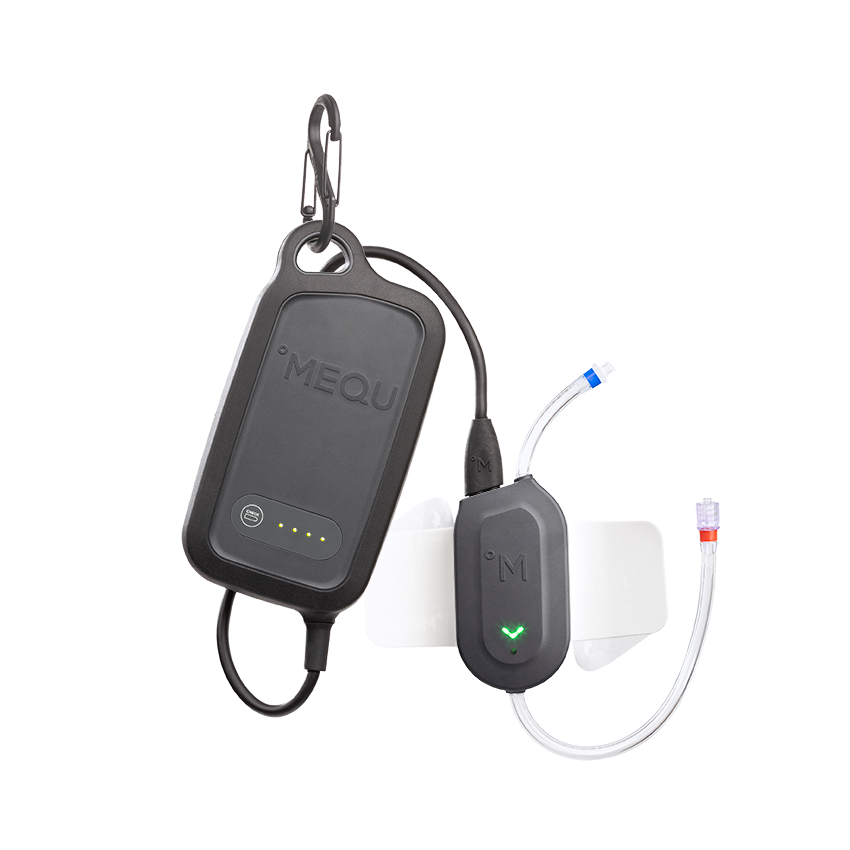
˚M Warmer System
The ˚M Warmer System is a portable blood and IV fluid warming device optimal for both pre-hospital and hospital use as it is small, simple to use, and easily integrates in existing workflows.