
Why Warm Blood Saves Lives
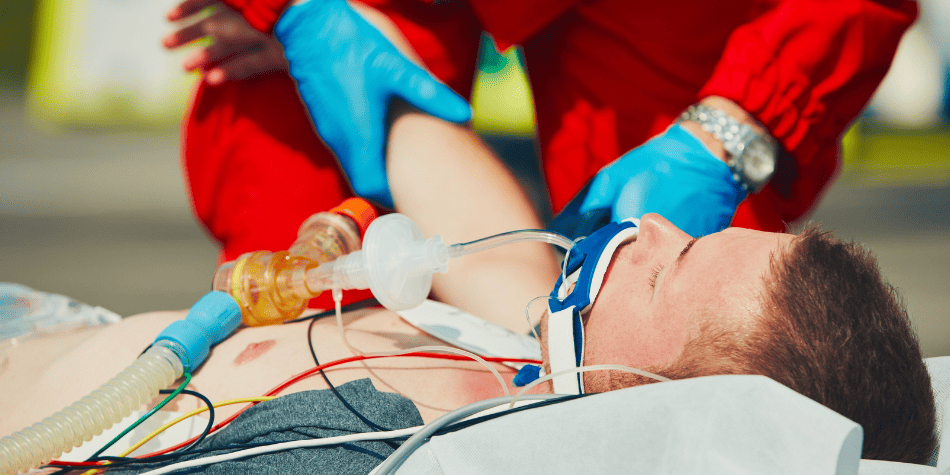
When the body loses more heat than it can produce, core temperature drops. This is known as hypothermia. In trauma patients, hypothermia is deadly not by itself, but because it worsens bleeding. Let’s take a look at why it happens and, more importantly, what we can do about it.
How hypothermia works
Hypothermia is a condition where the body’s own heat production can’t match the heat loss to the environment resulting in a lowered body core temperature.
Trauma patients do not die from hypothermia itself – they die of bleeding. Bleeding makes the body lose important red blood cells used to carry oxygen to the brain and other vital organs. Trauma patients with substantial bleeding are at risk of entering the deadly trauma triad of hypothermia, acidosis, and coagulopathy.
This combination means that when the body core temperature drops, the acidity in the blood increases and the blood loses its ability to coagulate. Without coagulation, it is much more difficult to stop the bleeding and save the life of the patient.
Studies show that patients with admission temperatures less than 35 °C has significantly greater mortality.[1] This is a significant risk as studies also show that hypothermia is the most common cause of clotting disorder[2] and that approximately 57 % of trauma victims requiring immediate surgery become hypothermic in the period between injury and completion of the surgery.[3]
The American Center for Army Lessons Learned (CALL) states that 80 % of trauma deaths in Iraq and Afghanistan had a body core temperature below 34 °C. The consequence of bleeding and a BCT below 34 °C is a 2.4-fold increase of blood loss, compared to having a normal body core temperature of 37 °C.[4]
What we can do about it
Preventing hypothermia requires careful management of fluid and blood temperature during resuscitation. In trauma care, the infusion of cold blood or intravenous fluids can significantly lower core body temperature and contribute to the development of the lethal triad of hypothermia, acidosis, and coagulopathy.
Portable blood and IV fluid warmers are an effective means of maintaining normothermia in critically injured patients. By ensuring that transfused fluids are delivered at a controlled temperature, clinicians can help preserve coagulation function, optimize oxygen delivery, and mitigate the physiological effects of shock.
In both pre-hospital and in-hospital settings, consistent thermal management through the use of portable warming devices supports hemodynamic stability and improves the chances of survival for patients with severe bleeding.
- Martin, R Shayn;et al. Injury-associated hypothermia: an analysis, Shock Vol 24(2), Aug. 2005
- Kjærgård, B et. al, Behandling af den hypoterme patient, UGESKR LÆGER 170/23, 2008
- Betty J. Tsuei, Hypothermia in the trauma patient, Int. J. Care Injured (2004) 35, 7—15
- Jarvis – OEF OIF Casualty Statistics & Lessons Learned-REVISED 18 April 2005, C.A.L.L.
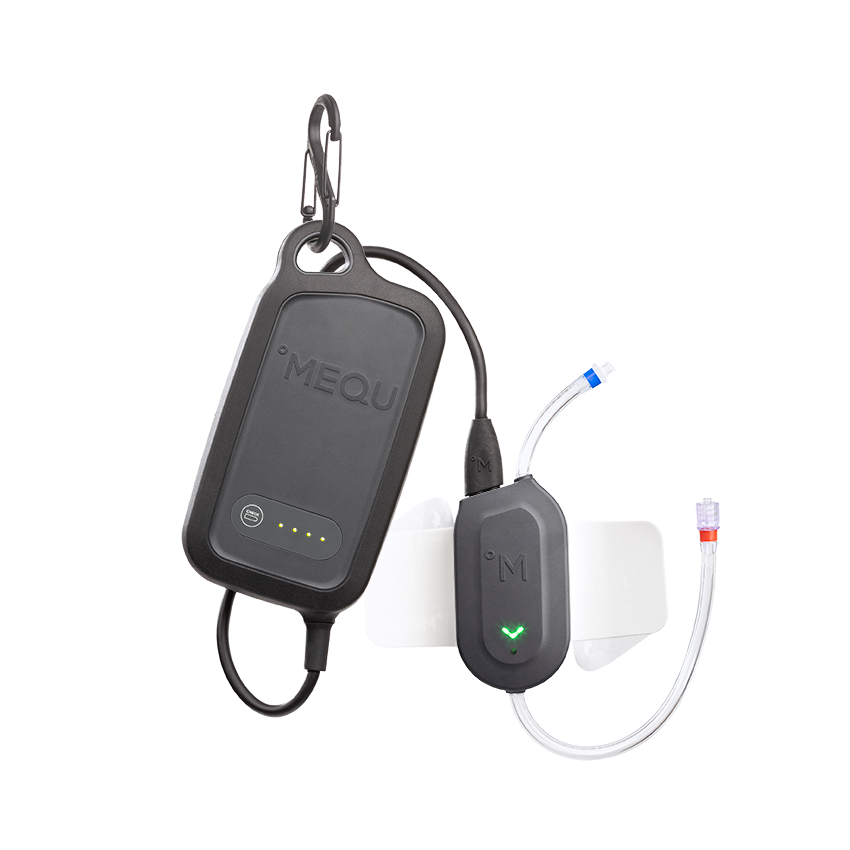
˚M Warmer System
The ˚M Warmer System is a portable blood and IV fluid warming device optimal for both pre-hospital and hospital use as it is small, simple to use, and easily integrates in existing workflows.